Changing careers is one of the most exciting moves you can make, but it comes with a frustrating catch: Applicant Tracking Systems are built to match your past job titles and industry-specific keywords to the job posting. When you are switching from one field to another, your resume naturally uses different language than what the ATS is scanning for. The result is that qualified career changers get filtered out before a human ever reads their application, even when their skills transfer perfectly.
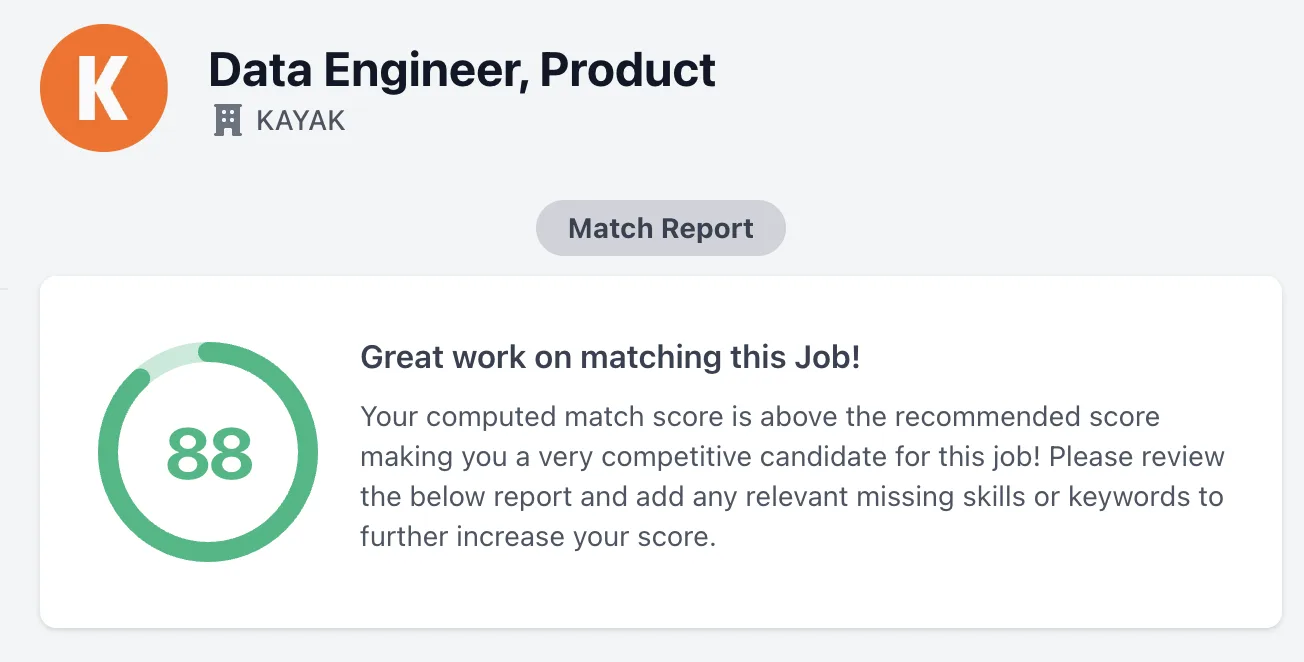
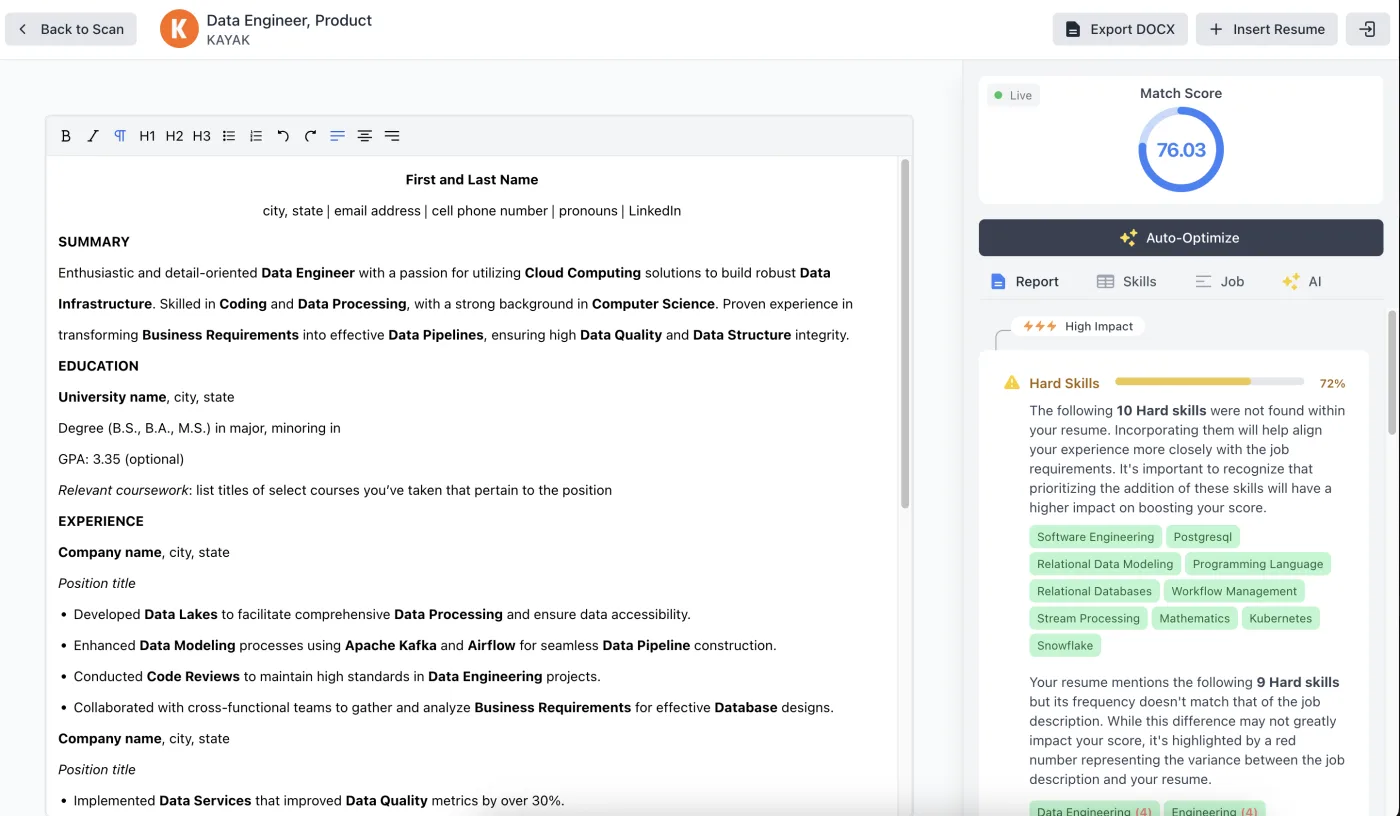
The problem is not a lack of experience. It is a vocabulary gap. A teacher who spent ten years managing classrooms, developing curricula, and mentoring colleagues has real project management, training, and leadership experience. But if their resume says "lesson planning" instead of "program development" and "parent-teacher conferences" instead of "stakeholder communication," the ATS will not see the connection. This guide walks you through how to bridge that language gap so your career change resume speaks directly to hiring managers in your target industry. If you would rather see the gap before you start rewriting, our free ATS resume checker reads your resume the way the filter does.
Write a Headline That Positions You for the New Role
Your resume headline is the first line a recruiter reads, and for career changers it sets the entire tone. The biggest mistake is leading with your old job title. If you are moving from teaching into corporate training, a headline that says "High School English Teacher" immediately signals the wrong industry. Instead, lead with the role you are targeting and back it up with the transferable value you bring.
A strong career change headline names the target position, quantifies your relevant experience, and highlights a transferable strength. It tells the reader where you are going, not just where you have been.
STRONG EXAMPLE
"Corporate Training Specialist | 8 Years Developing Curriculum & Leading Teams of 30+ | Program Design & Performance Coaching"
WEAK EXAMPLE
"English Teacher | BA in Education | Experienced Educator Looking for New Opportunities"
The strong example leads with the target role, quantifies relevant experience, and highlights skills that matter in the new industry. The weak example anchors the reader in the old career and offers no connection to where the candidate is headed. Even if you have never held the exact title you are targeting, you can frame your headline around the function you performed rather than the title you held.
Craft a Summary That Tells Your Career Change Story
Your professional summary is the most important section on a career change resume. This is where you connect the dots between what you have done and where you want to go. A functional or combination resume format works best here because it lets you lead with skills and accomplishments rather than a chronological job history that points to a different industry.
The summary should accomplish three things: name your transferable strengths with specific numbers, reference the target industry or role, and show that your past experience created real business value that applies to the new field.
STRONG EXAMPLE
"Results-driven professional with 8 years of experience designing educational programs for 500+ participants, managing $200K annual budgets, and leading cross-functional teams. Skilled in curriculum development, data-driven performance analysis, and stakeholder engagement. Completed corporate L&D certification and seeking to apply training design and facilitation expertise to a Corporate Training Specialist role in the technology sector."
WEAK EXAMPLE
"Passionate teacher with 8 years in the classroom. I am looking to transition out of education and into the corporate world. I am a hard worker and a fast learner who is eager to take on new challenges."
The strong example translates education experience into business language: "educational programs" becomes a number that shows scale, "grading and assessments" becomes "data-driven performance analysis," and the candidate names a specific certification and target role. The weak example uses vague language, leads with the old career, and tells the employer nothing about what value the candidate actually brings. Hiring managers want evidence, not enthusiasm.
Check If Your Resume Speaks the Right Language
Upload your resume and a job description from your target industry to see exactly which keywords from the posting are missing from your resume.
Scan My Resume
Identifying Your Transferable Skills
The core challenge of a career change resume is that you have the skills employers want, but you describe them using the wrong words. Every industry has its own vocabulary, and ATS systems are programmed to scan for the exact terms that appear in the job posting. The fix is not to fabricate experience you do not have. It is to reframe the experience you do have using the language your target industry recognizes.
Start by listing every significant responsibility and accomplishment from your current and past roles. Then, for each one, ask: what would this be called in my target industry? A retail manager who "scheduled 25 employees across three shifts" was doing workforce planning. A journalist who "conducted 200+ interviews and synthesized findings into published reports" was doing qualitative research and data analysis. The skill is the same. Only the label changes.
Below is a framework for mapping common skills from one industry context to another. Use it as a starting point, then customize based on the specific job descriptions you are targeting.
| Previous Role Skill |
How to Reframe It |
| Project coordination |
Project Management |
| Client relationship building |
Account Management / Customer Success |
| Training new employees |
Team Development / Onboarding |
| Budget tracking |
Financial Planning / Budget Management |
| Creating reports |
Reporting & Data Analysis |
| Handling customer complaints |
Conflict Resolution / Customer Experience Management |
| Scheduling & shift management |
Workforce Planning / Resource Allocation |
| Running team meetings |
Cross-Functional Collaboration / Facilitation |
| Improving daily workflows |
Process Improvement / Operational Efficiency |
| Writing proposals or pitches |
Business Development / Strategic Communications |
The right-hand column is not about inflating your experience. It is about using the precise terminology that hiring managers and ATS systems in your target field are trained to recognize. A recruiter scanning for "project management" will skip right past "project coordination" even though the underlying work is identical. Small vocabulary differences create big screening outcomes.
TIP
Paste a job description from your target industry into SkillSyncer alongside your resume. The scan results will show you exactly which keywords from the posting are missing from your resume, so you know which industry-specific terms to add. This takes the guesswork out of tailoring your application.
Bridge the Gap With the Right Keywords
SkillSyncer compares your resume to real job descriptions and shows you exactly which industry-specific keywords you still need to add.
Try It Free
Key Skills for Career Change Resumes
Career changers succeed by emphasizing transferable, cross-industry skills that apply regardless of the field you are coming from. The following keywords appear frequently across industries and signal adaptability to hiring managers. Include the ones that genuinely reflect your background and that appear in the job descriptions you are targeting.
Transferable Skills
Communication
Project Management
Problem Solving
Data Analysis
Stakeholder Management
Process Improvement
Adaptability
Cross-Functional Collaboration
Customer Relations
Strategic Thinking
Change Management
Leadership
Time Management
Presentation Skills
CRM Software
Do not paste this entire list into your resume. These are starting points. The keywords that matter most are the ones that appear in the specific job posting you are applying to. Scan your resume with SkillSyncer against each target job description to see exactly which terms to prioritize.
Common Mistakes on Career Change Resumes
1. Apologizing for the career change. Phrases like "although I lack direct experience" or "despite coming from a different field" immediately undermine your candidacy. Hiring managers read hundreds of resumes. If you draw attention to what you do not have, that is what they will remember. Instead, lead with what you bring. Frame the transition as a deliberate, strategic move rather than something you need to justify. Your summary should exude confidence in the value of your transferable experience, not ask for forgiveness.
2. Using jargon from your previous industry. Every field has its own shorthand, and what feels like standard vocabulary to you may be completely unrecognizable to recruiters in your target industry. A hospitality professional writing "covers per shift" instead of "daily customer volume" or a teacher writing "IEP compliance" instead of "regulatory compliance and individualized program management" is speaking a language the ATS cannot parse. Go through your resume line by line and replace every industry-specific term with its equivalent in the field you are entering.
3. Using a chronological format when a functional or combination format would work better. A strict chronological resume puts your job titles front and center, which works against you when those titles belong to a different industry. Career changers often benefit from a combination format that opens with a skills-based summary and groups accomplishments by competency area (such as "Project Management," "Team Leadership," or "Data Analysis") before listing work history. This structure lets the reader see your relevant capabilities before they see your previous job titles.
4. Sending the same resume to every job posting. This is a common mistake for any applicant, but it is especially costly for career changers. When your background does not perfectly match the role, you cannot afford to miss keywords. Each job description contains specific terms the ATS is scanning for, and those terms vary from posting to posting, even for similar roles at different companies. Tailoring your resume to each application is not optional when you are changing careers. It is the difference between getting screened in and getting filtered out.